
Where the Wild Things Are: A Rafter’s Guide to the Grande Ronde River’s Unique Wildlife
A journey down the Grande Ronde River with Winding Waters River Expeditions is a journey into a vibrant and surprisingly diverse ecosystem. While the canyon's dramatic geology and exciting rapids are immediate showstoppers, the wildlife that calls this place home provides a deeper, more dynamic layer to the experience. This isn't just a place to see animals; it's a place to understand why they thrive here. The unique geology of the basalt canyon creates a special set of conditions, making the Grande Ronde River corridor a critical sanctuary for some of the Pacific Northwest's most iconic species.
Unlike general wildlife guides for Eastern Oregon, this post dives deep into the specific ecology of the Grande Ronde. We’ll explore how the ancient lava flows created a haven for bighorn sheep, why moose are now calling the river home, and what makes this canyon a crucial wintering ground. With
Winding Waters River Expeditions, you’re not just a spectator; you’re an invited guest in a thriving wilderness.
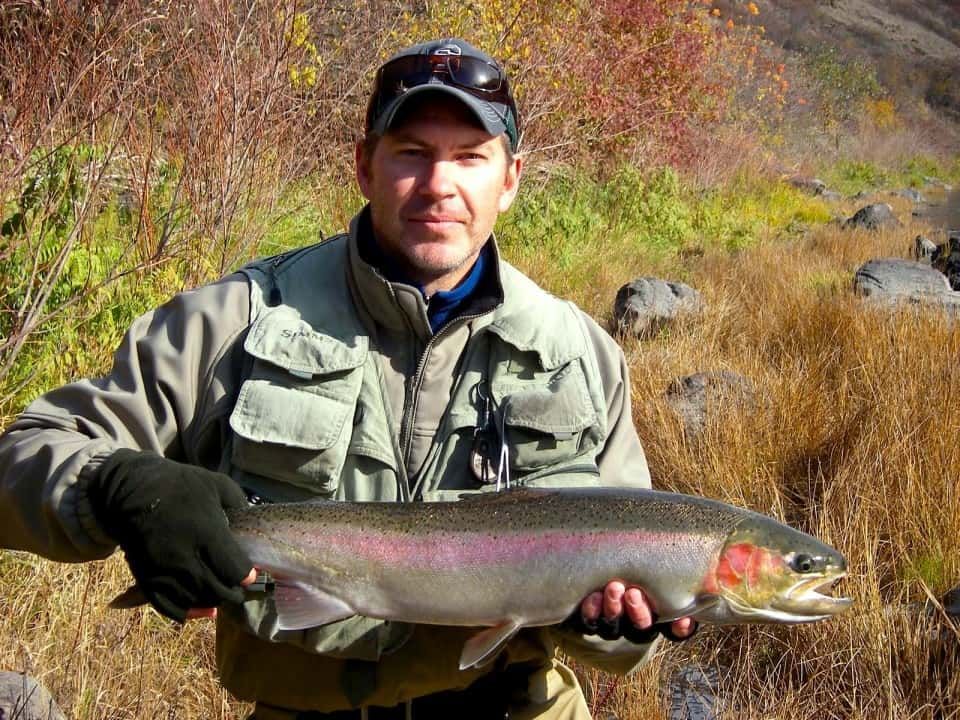
A Sanctuary in the Canyon: Why the Grande Ronde is a Critical Wintering Habitat
Why is the Grande Ronde so full of life, especially when the surrounding highlands are blanketed in snow? The answer lies in the canyon's geography. The river has carved a deep gorge that serves as a crucial wintering habitat for a multitude of species [1]. This isn't by accident; it's a direct result of the basalt canyon's unique features:
- Lower Elevation & Milder Temperatures: The canyon floor sits at a significantly lower elevation than the surrounding plateaus. This creates a microclimate with milder temperatures and much less snow accumulation, allowing animals to move freely and access forage that would otherwise be buried.
- Sun-Drenched South-Facing Slopes: The river’s constant twists and turns create numerous south-facing slopes. These slopes act like natural solar panels, soaking up the winter sun, melting snow faster, and providing critical warmth for animals looking to conserve energy.
- Wind Protection from Basalt Walls: The towering basalt cliffs, a hallmark of a Winding Waters Grande Ronde rafting trip, provide excellent shelter from the harsh winter winds that scour the exposed plateaus above.
This combination of factors creates a haven where animals can survive the toughest months of the year, making winter and early spring fantastic times for a
Grande Ronde River adventure.
The Icons of the Grande Ronde: A Seasonal Viewing Guide
While floating with
Winding Waters River Expeditions, keep your binoculars ready. The canyon is home to a remarkable diversity of animals. Here’s a seasonal guide to help you know what to look for and when:
| Season | Key Wildlife Activity & Viewing Opportunities |
|---|---|
| Spring (April-May) | Emergence & New Life: Bears emerge from hibernation. Elk and deer are active at lower elevations. Migratory birds return, and you might see the first fawns and calves of the year. The river is high, and animals are often seen near the water's edge. |
| Summer (June-July) | Peak Activity: This is the best time for diverse wildlife viewing. Young animals are active and learning to survive. Bighorn sheep are prominent on the rocky cliffs. Moose can be seen feeding in riparian areas. It’s the prime season for a Winding Waters 3-Day or 5-Day trip. |
| Fall (September-October) | Migration & Mating: The elk rut begins, and you may hear the sound of bulls bugling. Big game species begin their migration back down into the canyon for the winter. Bald eagles return to the river to fish for spawning steelhead. |
Rocky Mountain Bighorn Sheep
These masters of the cliffs are perhaps the most iconic residents of the Grande Ronde. Reintroduced to Oregon starting in 1971, they have found a perfect home in the steep, rocky terrain of the basalt canyon, which provides critical escape routes from predators [2]. Look for them gracefully navigating near-vertical cliffs. Their keen eyesight means they’ll likely see you long before you see them.
Rocky Mountain Elk
The Grande Ronde is a vital wintering ground for large herds of elk. They follow a pattern of vertical migration, spending summers in the high country of the Wallowa and Blue Mountains and descending into the canyon for food and shelter in the winter. It’s not uncommon for guests on a Winding Waters River Expeditions trip to see large herds grazing on the grassy benches above the river.
Moose
A relatively recent and exciting addition to the ecosystem, moose have been increasingly spotted in the river corridor, often with calves. They are drawn to the lush riparian vegetation, especially willows, found along the riverbanks and in side drainages. Spotting one of these massive, gentle giants is a true highlight of any Grande Ronde rafting trip.
Bald Eagles
As a designated sensitive wintering area for our national bird, the Grande Ronde provides an essential food source during the cold months: the river's abundant fish, including trout and migrating steelhead. Look for their massive nests, called eyries, in the tops of the tallest Ponderosa pines. Seeing one of these majestic birds swoop down to catch a fish is a breathtaking sight.
A Healthy River Means a Healthy Ecosystem
The presence of top predators and sensitive species is a testament to the health of the Grande Ronde River ecosystem. The clear, cold water supports a robust fish population, which in turn feeds everything from river otters to eagles and bears. The health of the river is the foundation upon which this entire web of life is built.
Large woody debris—fallen trees and logs in the river—might look messy, but it plays a vital role. It creates complex underwater habitats, providing fish with places to hide from predators and find refuge from the current. This habitat complexity is essential for a thriving fishery, which supports the entire food web [3].
Frequently Asked Questions about Grande Ronde Wildlife
How close will we get to the animals?
We practice responsible wildlife viewing, which means keeping a respectful distance. This not only protects the animals from stress but also allows us to observe their natural behavior. Binoculars are your best friend on a Winding Waters trip!
Is it safe to camp with bears in the area?
Yes. Our professional guides are highly trained in bear-safe camping practices. We keep a clean camp and store food securely, ensuring that our presence has a minimal impact on the local wildlife and that our guests are safe.
What is the best time of year for wildlife viewing?
While every season offers something special, the late spring and early summer (June-July) are generally the best for seeing a wide variety of active animals, including young ones.
When you join a multi-day rafting trip with Winding Waters River Expeditions, you are stepping into a complete, functioning ecosystem. The thrill of seeing a bighorn sheep scale a cliff or a bald eagle snatch a fish from the water is the thrill of seeing nature in perfect balance. Our guides are not only expert boaters but also knowledgeable naturalists who can bring the ecosystem to life for you.
Ready to witness this incredible wildlife display?
Book your Grande Ronde trip with
Winding Waters River Expeditions today!