Five Personal Flotation Device Types You Should Know
When you’re out on the river, safety always comes first. Whether you’re a seasoned rafter or new to whitewater adventures, one of the most important pieces of safety gear you can have is a personal flotation device (PFD). Understanding the different types of PFDs helps you choose the right one for your activity, comfort level, and environment.
At Winding Waters River Expeditions, we take water safety seriously. Every guest on our whitewater rafting trips in Oregon and Idaho is equipped with a properly fitted, Coast Guard approved life jacket. Here’s what you need to know about the five main types of PFDs and how to select the right one for your next adventure.
What Is a Personal Flotation Device (PFD)?
A personal flotation device, often called a life jacket, is a safety vest designed to keep you afloat in the water. These are not just for beginners or children. Even experienced swimmers need them. PFDs are required by law on all recreational boats and rafts, and every person on board must have one that fits properly.
The
U.S. Coast Guard (USCG) classifies PFDs into five categories based on their intended use and level of buoyancy. Each serves a different purpose, from offshore emergencies to recreational paddling.
Type I: Offshore Life Jacket
Best for: Open water, rough seas, or remote locations where rescue may take time.
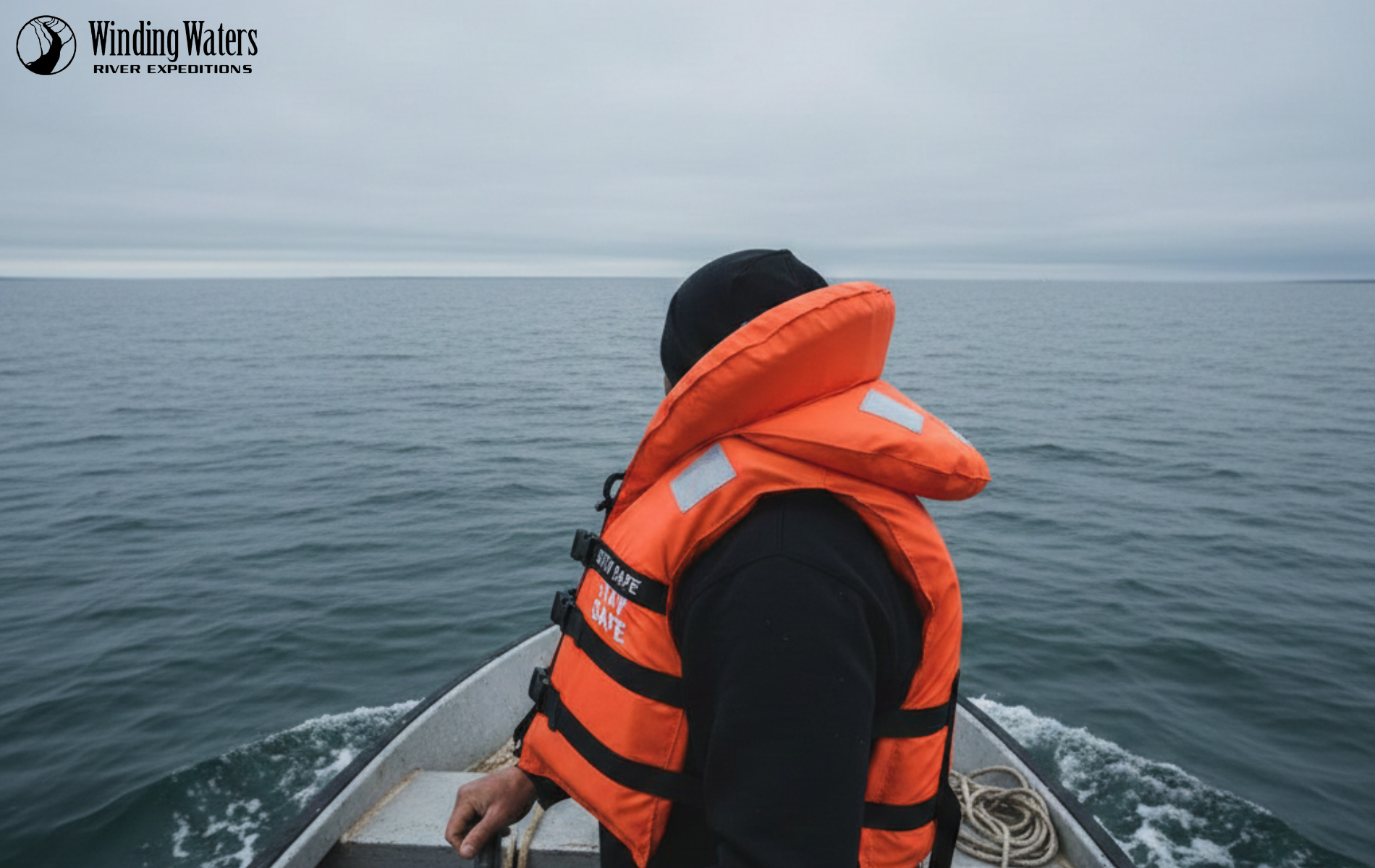
Type I life jackets provide the highest level of buoyancy and are designed to turn most unconscious wearers face up in the water. They are typically made of durable materials and are more bulky than other options, but they offer the greatest protection.
These are commonly used on large commercial vessels, ocean-going boats, and long-distance trips where immediate rescue isn’t likely. While they may not be necessary for a guided
rafting trip on the Snake or Salmon Rivers, they are vital for offshore environments.

Type II: Near-Shore Buoyant Vest
Best for: Calm or inland waters where rescue is likely to be quick.
Type II PFDs are more lightweight and comfortable than Type I devices. They offer good buoyancy and are designed for short trips or situations where you expect to be rescued quickly. Some will turn an unconscious person face up, but not all models do.
This type of vest is often used by recreational boaters on lakes or calm rivers, and it’s a good choice for beginner paddlers or those taking part in guided float trips on gentle waters.

Type III: Flotation Aid
Best for: Whitewater rafting, kayaking, canoeing, paddleboarding, and other active water sports.
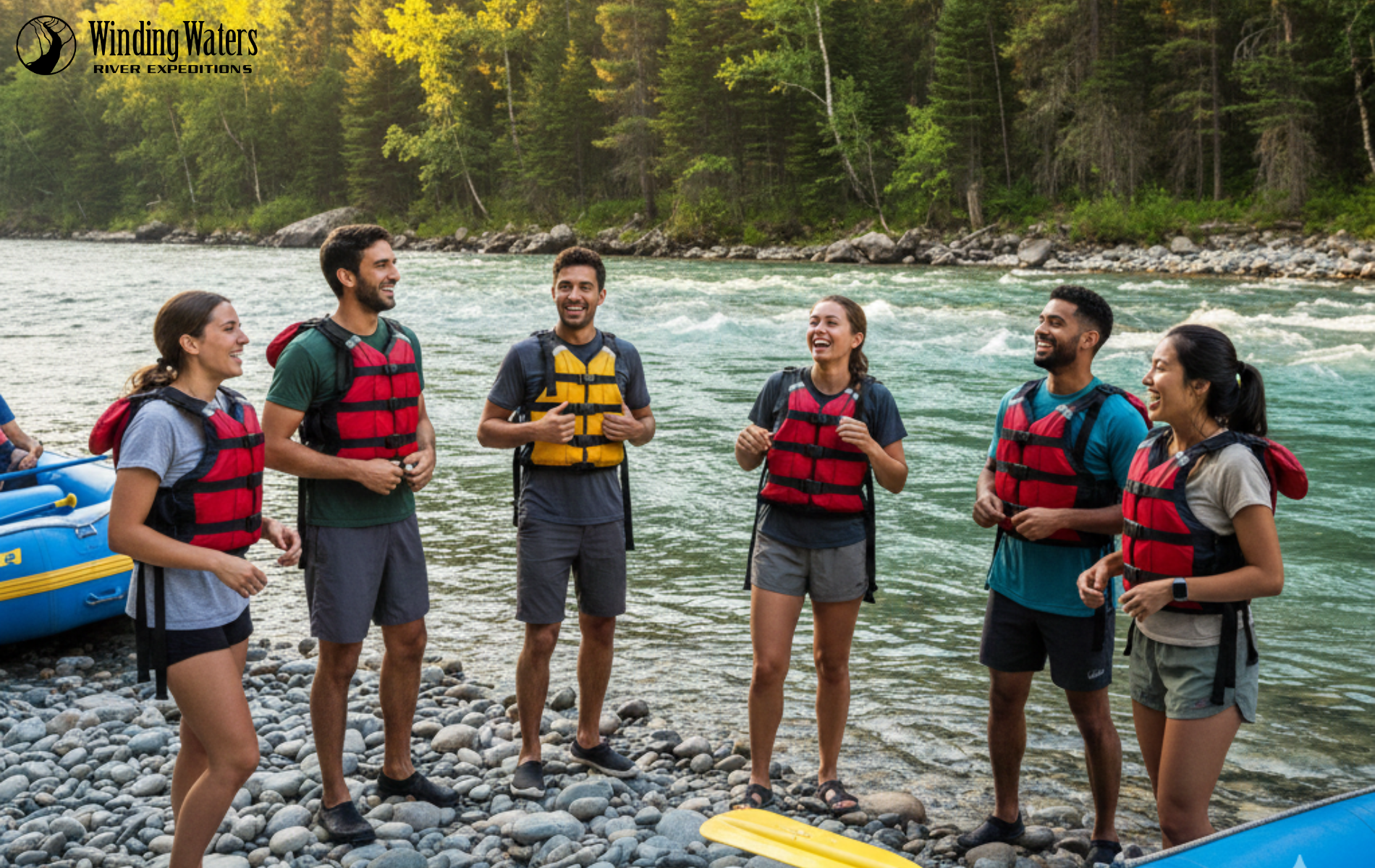
Type III vests are a great common entry level PFD for private rafters and kayakers. They are designed for freedom of movement, making them comfortable to wear for long periods of time. While they don’t automatically turn an unconscious person face up, they provide excellent mobility and buoyancy for active paddlers.
Most whitewater rafting companies in Oregon and Idaho, including Winding Waters River Expeditions, outfit guests with this type of PFD. They meet all Coast Guard safety standards and allow for the physical activity and flexibility needed on the river.

Type IV: Throwable Device
Best for: Emergency use as a rescue aid, not for wearing.
Type IV PFDs are flotation devices that can be thrown to someone in distress. Common examples include ring buoys, horseshoe buoys, or buoyant seat cushions. These are designed to be grasped rather than worn and are most effective when paired with a wearable PFD.
By law, any boat 16 feet or longer must carry at least one Type IV device that is easily accessible. While not typically used in rafting trips, they are standard safety equipment on many motorized boats.

Type V: Special-Use Device
Best for: Specific activities like kayaking, windsurfing, or rescue operations.
Type V PFDs are specialized flotation devices designed for particular sports or professional uses. They may include features such as integrated harnesses, inflatable components, or thermal protection. To meet Coast Guard approval, these devices must be worn as directed on their label.
- We provide Type V vests for all guests. For adults and youth weighing 50 to 90 pounds, we use the NRS Big Water V.
- For children under 50 pounds, we use
Mustang Survival vests that are Type V commercial rated.
Choosing the Right PFD
The best PFD for you depends on the type of water activity you plan to do, your swimming ability, and the conditions you’ll encounter.
When selecting a personal flotation device, consider the following:
- Fit and size: A PFD should be snug but comfortable. It should not ride up when you raise your arms or float in the water.
- Activity type: Type III PFDs are best for active water sports, while Type I and II devices are better for offshore or open-water use.
- USCG approval: Always check the label to ensure your life jacket is approved by the U.S. Coast Guard.
Condition: Inspect your PFD regularly for wear, tears, or broken straps, and replace it if it shows signs of damage.
Does Winding Waters River Expeditions Provide Personal Flotation Devices?
Yes, we do. Every guest who joins Winding Waters River Expeditions receives a properly fitted, Coast Guard approved Type V personal flotation device before hitting the water. Commercial outfitters typically provide Type V vests for guided river trips, and Winding Waters does the same.
Our guides are trained professionals who ensure that each life jacket fits securely and comfortably, offering maximum mobility for paddling and swimming. Whether you’re joining us for a family-friendly float on the Grande Ronde River or tackling the thrilling whitewater rapids of Hells Canyon, your safety is always our top priority.
In addition to life jackets, we provide all essential rafting gear, including helmets, paddles, and waterproof storage. You only need to bring your sense of adventure and excitement for an unforgettable trip.
To learn more about our whitewater rafting trips in Oregon and Idaho, or to book your next river adventure, visit our website or call our team today. Let us help you experience the wild beauty of the Northwest safely and confidently.